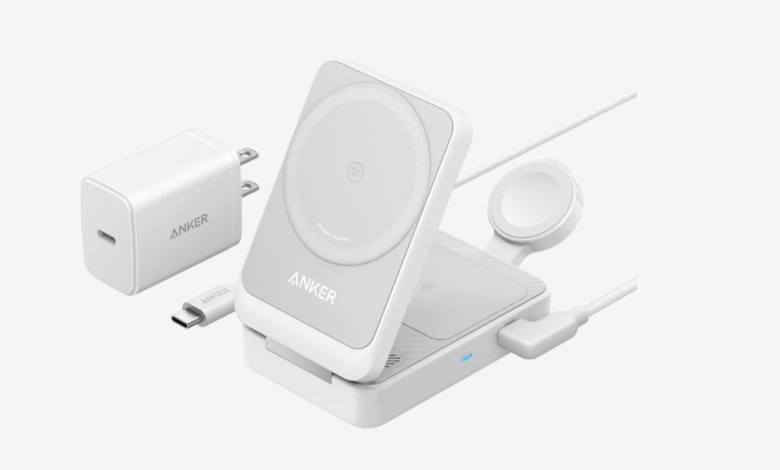
Charging stations sometimes overheat because several physical and environmental conditions influence how safely they handle power. When a station supplies energy to multiple devices, heat naturally builds. If that heat cannot disperse, temperatures rise and the station warms more than expected. Users often notice this during busy days when many devices charge at once or when the setup sits in a confined space with poor airflow. Many people choose reliable accessories from brands like Anker because they appreciate stable performance, but understanding the real causes of overheating helps you prevent issues no matter which setup you use. Once you know what contributes to excess heat, you can create safer and more efficient charging habits.
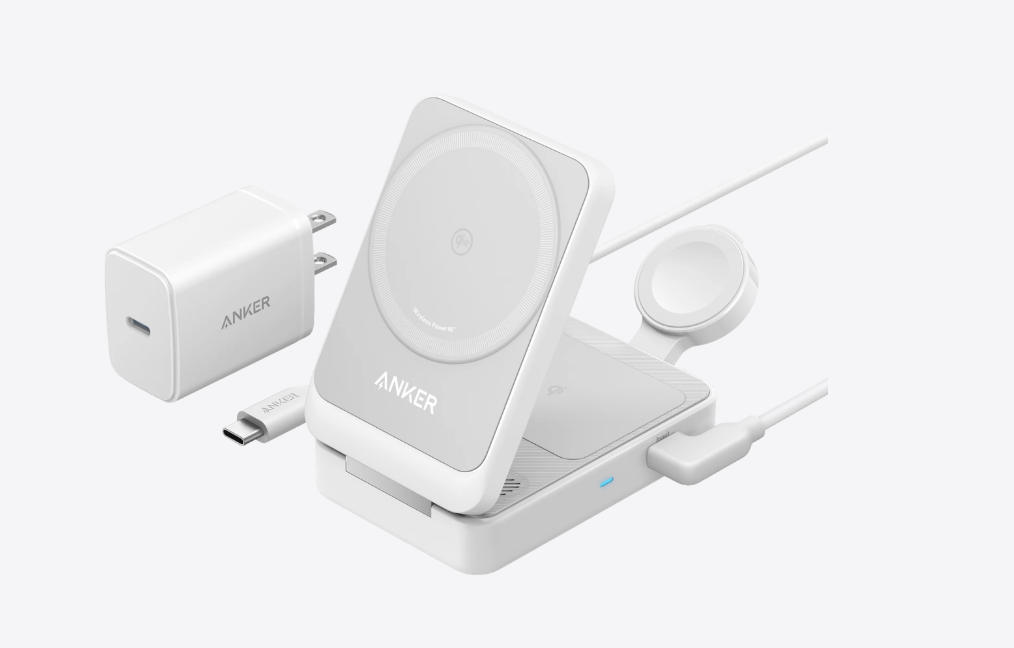
Physical And Technical Factors Behind Overheating
Heat Accumulation From High Power Flow
Every charging setup generates heat, but some situations produce more than others. When a station powers multiple devices simultaneously, electrical components work harder. This increase in workload naturally creates warmth. If the station lacks adequate ventilation or sits too close to walls, books, or other objects, the heat becomes trapped and rises quickly. Users often overlook airflow because charging stations appear simple on the outside, but air circulation plays a significant role in temperature control. Maintaining an open area around your station ensures heat escapes rather than pooling around it. A few inches of clearance makes a noticeable difference during heavy charging.
Internal Component Stress And Heavy Usage
Frequent, high-power charging puts ongoing stress on internal components. Transformers, circuits, and control chips handle constant energy conversion and regulation. When a station operates at full capacity for extended periods, those components warm naturally. Over time, the heat may build faster, especially if the station runs continuously day after day. This is one reason many users choose dependable options from Anker—consistent build quality supports stable thermal performance. Even so, no device is immune to the laws of physics. Long charging sessions, heavy loads, and continuous operation all elevate internal temperature and can lead to warmer surfaces.
Poor Cable Management And Physical Obstructions
Cables influence heat flow more than most people realize. When several thick or bundled cables rest directly on the station, they trap heat, slow air movement, and increase temperature. If cables bend sharply or press against the device, the added pressure may reduce air movement even further. Good cable management prevents accidental insulation around the station. Keeping wires gently spaced, removing unnecessary tension, and avoiding piles of coiled cables helps the system breathe. A clean, organized layout is not only visually appealing but also essential for maintaining stable temperature during long charging cycles.
Environmental And Usage Conditions That Cause Temperature Rise
Warm Or Confined Surroundings
Charging stations heat up faster when placed in warm areas. Direct sunlight, closed drawers, crowded shelves, or tight corners raise the surrounding temperature and limit cooling. Even a high-quality station warms when the environment already holds heat. Temperature matters because heat dissipation depends on a difference between internal and external temperatures. When the room or surface is already warm, the station cannot cool effectively. Placing it on a flat, open surface away from heat sources promotes better airflow. Simple placement adjustments often reduce overheating without changing any hardware.
Charging Multiple Devices With Different Power Needs
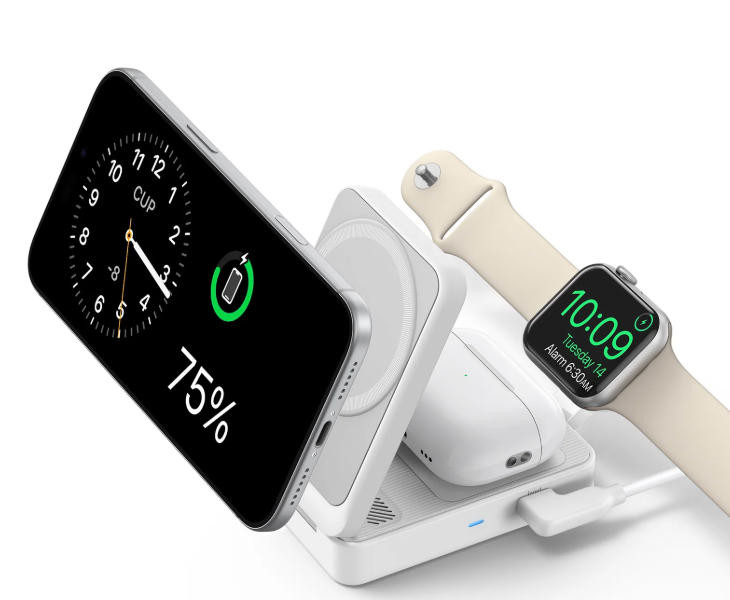
Modern households and workplaces charge many devices at once—phones, tablets, earbuds, watches, and more. Each device draws power differently. When a station divides power across several ports, the internal system works harder to balance output. This balancing process generates extra heat. The more varied the devices, the more active the internal regulation becomes. This does not mean multi-device charging is unsafe; it simply highlights why some sessions feel hotter than others. Choosing a setup that matches your typical charging load and giving the station time to cool between heavy cycles helps maintain stable operation.
Movement, Dust, And Everyday Wear
Environmental wear slowly affects temperature behavior. Dust around vents reduces airflow. Soft surfaces like beds or sofas block cooling and trap heat. Even vibration or movement—such as placing the station on a shaky table—can affect internal components over time. A clean, stable placement ensures the station performs efficiently. Wiping surfaces occasionally and keeping the station in a low-dust area preserves airflow and improves overall thermal performance. Small habits create long-term benefits, especially when you charge multiple devices frequently.
Conclusion
Overheating usually comes from a mix of high power flow, limited ventilation, environmental temperature, and everyday wear. A charging station works hard when powering several devices at once, and heat naturally builds during that process. When the setup lacks space, airflow, or stability, the temperature rises even more. By giving the station room to breathe, keeping cables organized, and choosing a reliable accessory from a trusted brand like Anker, you reduce heat buildup significantly. Understanding these causes empowers you to prevent overheating and maintain safe, efficient charging routines. With just a few practical adjustments, your charging station stays cool, steady, and ready for daily use.