
Symbols cover nearly every charger, yet we rarely stop to decipher them. Since chargers come from various sources—included borrowed or bought in a rush—understanding these icons helps ensure they’re safe, compatible, and efficient. With most households using mixed cables and adapters, recognizing these symbols becomes key to avoiding overheating, unstable charging, or device damage. Knowing just a few of these marks can prevent frustration and guide your choices. This article will help you decode essential charger symbols.

Electrical Rating Icons: The Power Details
Understanding Volts (V) and Amps (A)
These numbers indicate how much power your device will receive, and understanding them helps you match a charger properly to avoid slow charging or damage. Volts represent the electrical pressure pushing current through the cable, while amps indicate how much current the charger can safely provide. If you pair a device that needs more power than the charger supplies, you may experience slow or inconsistent charging. On the other hand, using a charger with higher amperage than required is generally safe for modern devices because they draw only what they need. Learning to read these markings helps you make informed everyday decisions, especially when sorting through multiple chargers at home.
What the DC Symbol and Polarity Diagram Mean
Most phone and laptop chargers output direct current, and the DC symbol confirms this with a line over a dashed line. Alongside it, the polarity diagram shows which part of the connector carries the positive charge, which is crucial for barrel-style plugs used in some household devices. Plugging in a charger with reversed polarity can immediately damage electronics, so this small icon carries significant weight. For modern USB-based chargers, polarity issues are rare, but the symbol is still worth recognizing if you use equipment like handheld vacuums, small speakers, or camera battery docks. Understanding it prevents expensive accidents and gives you greater confidence in handling older or specialized equipment.
Safety Certification Marks: Your Assurance of Quality
The CE Mark and Its Global Cousins
Certification symbols tell you a charger has been tested to meet safety standards, making them essential when you want to avoid unreliable or poorly built accessories. The CE mark in particular is common on many household chargers and indicates compliance with European safety requirements. While the specific standards vary by region, reputable chargers usually carry multiple certifications, signaling that they meet international electrical guidelines. These marks do not guarantee performance quality, but they do assure that the charger is built within strict safety boundaries. Checking for them becomes a quick, everyday habit once you recognize the symbols.
The House Icon: Double Insulation Explained
A small house symbol indicates that the charger is double insulated, meaning it has two layers of protective material preventing electrical shock. This design is especially helpful in households where chargers are frequently handled, packed into bags, or used near children. Double insulation reduces the risk posed by accidental cable damage, worn adapters, or surfaces that come into contact with moisture. Even though many people overlook the symbol, it represents an important safety feature that improves long-term reliability. Spotting this icon helps you prioritize safer chargers when sorting through older and newer adapters.
The Game Changer: What is GaN?
GaN vs. Silicon: Why It’s a Leap Forward
Gallium nitride, or GaN, replaces traditional silicon components to allow chargers to operate with higher efficiency and less wasted heat. This advancement enables chargers to be smaller while still delivering high output, which is especially useful for people carrying multiple devices daily. If you have ever looked for a faster charger for iphone, this is where GaN technology naturally shines, and solutions like an Anker GaN charger offer compact yet powerful performance. GaN components handle higher voltages more effectively, which explains why these chargers remain cool even under heavy load.
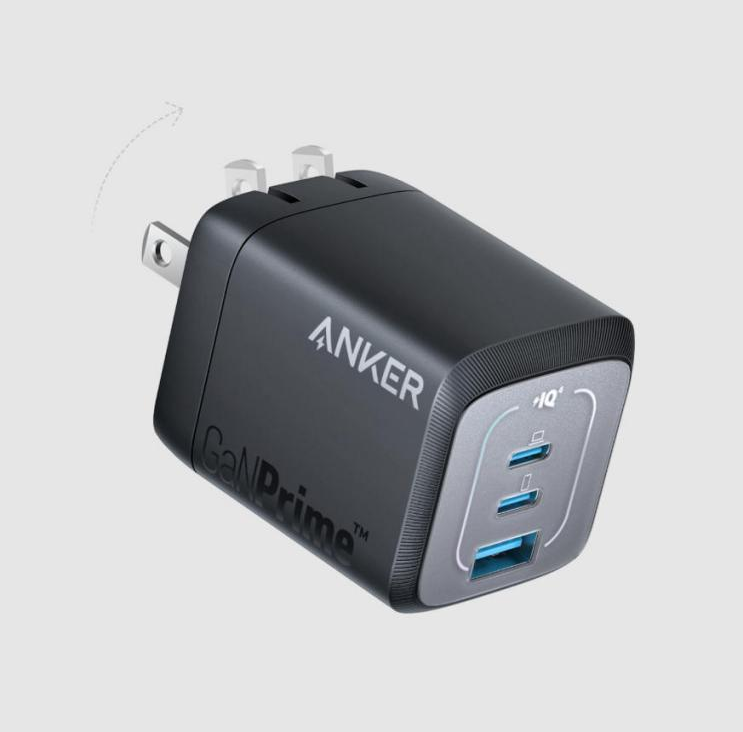
Benefits of GaN: Smaller Size, Higher Efficiency, Less Heat
GaN chargers take up less space, making them easy to slip into pockets or travel pouches without adding clutter. Their efficient design reduces energy loss, meaning more power flows directly to your device instead of dissipating as heat. Lower temperatures improve both charging stability and longevity, which matters when you rely on your charger daily. Many people notice that GaN chargers feel cooler even during long charging sessions, providing a sense of confidence in their build quality. These advantages make GaN a meaningful upgrade for everyday convenience.
Environmental and Usage Icons
The eWaste Bin: Responsible Disposal
A crossed-out wheeled bin reminds you that chargers should not be tossed in general household trash due to harmful electronic components. Proper recycling ensures metals and plastics are handled safely and possibly reused for new products. Disposing of chargers correctly also prevents hazardous materials from entering the environment, which is especially important as people accumulate multiple accessories over time. Many community recycling centers accept small electronics, making it easy to drop off old chargers during errand runs. Recognizing this symbol helps you play a small but real role in reducing electronic waste.
Indoor Use Only and Weatherproof Ratings
Some chargers display a symbol resembling a house or umbrella to indicate whether they are safe for indoor-only use or resistant to moisture. These icons matter for people who charge devices in garages, patios, or travel environments where exposure to humidity is common. Using an indoor-only charger in damp spaces can increase risk, especially during long charging sessions. Weatherproof ratings, on the other hand, give you confidence that the charger can withstand splashes or outdoor environments. Knowing the difference helps you choose the right charger for each setting in your daily routine.
Conclusion
Understanding charger symbols turns everyday charging into a safer and more informed habit, helping you avoid mismatches, overheating, and unreliable accessories. Once you recognize the meaning of electrical ratings, safety marks, and GaN technology, selecting the right charger becomes much easier. These small bits of knowledge help protect both your devices and your peace of mind, especially as charging needs continue to grow across phones, laptops, and household gadgets. Taking a moment to inspect your chargers ensures you use them confidently and responsibly each day. With the right awareness, you become not just a user but a well-equipped guardian of your own charging safety.