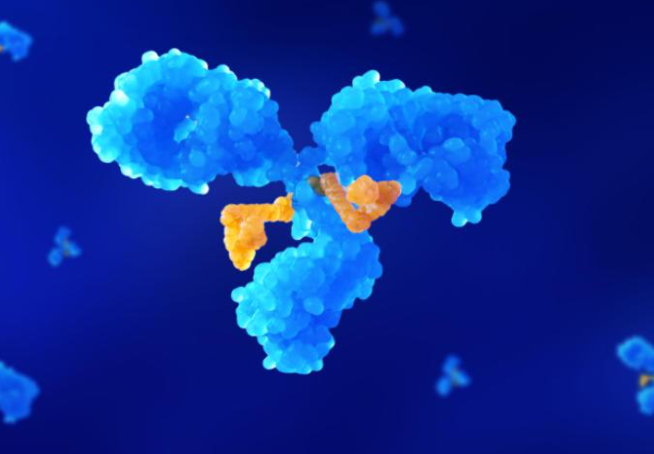
Advanced bioconjugation and linker technologies define how modern ADCs achieve precision and control. These technologies govern how payloads attach, remain stable, and release at target sites. Within ADC services, refined conjugation and linker strategies help biotech teams overcome variability, reduce safety risk, and design conjugates that perform consistently across preclinical and clinical development stages.
The Importance of Advanced Bioconjugation in ADC Services
Why Bioconjugation Strategy Shapes ADC Performance
Bioconjugation strategy directly influences ADC structure, stability, and biological behavior. ADC services evaluate how attachment sites, chemistry, and reaction control affect potency and safety. Poor strategies lead to heterogeneous products and unpredictable outcomes. Well designed bioconjugation improves targeting accuracy and data reliability, making it a foundational decision that shapes downstream efficacy, manufacturability, and clinical success potential.
Limitations of Traditional Conjugation Approaches
Traditional conjugation methods often rely on random attachment to abundant amino acids. These approaches create heterogeneous drug loading and variable performance. ADC services recognize these limitations when designing modern programs. Variability complicates data interpretation and scale up. Understanding where older methods fail helps teams avoid instability, inconsistent exposure, and safety concerns that can derail development later.
Benefits of Precision and Control in Modern ADC Design
Modern ADC design prioritizes precision and control. ADC services apply advanced conjugation techniques to regulate attachment sites and drug loading. This control produces uniform molecules with predictable behavior. Precision reduces batch variability and improves safety margins. For biotech developers, controlled design supports clearer structure activity relationships and smoother transitions from research into regulated development environments.
See also: Poposoap Pond Filter System: The Complete 2025 Guide to Cleaner, Healthier Ponds
Site-Specific Bioconjugation Technologies in ADC Services
Engineered Antibody Sites for Controlled Conjugation
Engineered antibody sites enable controlled conjugation by introducing defined attachment points. ADC services modify antibodies to include specific residues without disrupting binding. These sites guide precise payload placement. Controlled attachment improves uniformity and stability. Engineering at the antibody level allows conjugation strategies to align with biological function while supporting consistent manufacturing and reproducible analytical outcomes.
Enzymatic and Chemical Site-Specific Methods
Enzymatic and chemical site specific methods offer precise conjugation alternatives. ADC services use enzymes or selective reactions to attach payloads at predetermined locations. These methods reduce off target reactions and structural variability. By choosing appropriate techniques, teams achieve reproducible drug loading. Site specific methods simplify characterization and support predictable behavior across batches and development stages.

Impact on Drug-to-Antibody Ratio Consistency
A consistent drug-to-antibody ratio is critical for ADC performance. Advanced bioconjugation technologies improve DAR control by limiting attachment variability. ADC services monitor and refine these methods to achieve narrow distributions. Consistent DAR enhances comparability between studies. Reliable ratios strengthen confidence that observed efficacy and toxicity reflect design intent rather than uncontrolled chemical variation.
Advanced Linker Technologies Used in ADC Development
Cleavable Linkers and Controlled Payload Release
Cleavable linkers release payloads in response to specific cellular conditions. ADC services evaluate enzyme sensitive or pH responsive designs to control release timing. Properly selected cleavable linkers maximize tumor delivery while limiting systemic exposure. Controlled release improves efficacy and safety. These linkers require careful matching to target biology and intracellular processing pathways.
Non-Cleavable Linkers and Stability Advantages
Non cleavable linkers provide enhanced stability during circulation. ADC services use these linkers when controlled intracellular degradation is preferred. Stable linkers reduce premature payload loss and off target toxicity. Although release relies on antibody breakdown, these designs can offer predictable behavior. Choosing non cleavable linkers supports programs where safety and exposure control outweigh rapid payload release needs.
Selecting Linkers Based on Target Biology and Indication
Linker selection depends on target biology and disease context. ADC services analyze antigen expression, internalization rate, and tumor environment. These factors guide linker choice. Matching linker behavior to indication improves therapeutic relevance. Strategic selection avoids mismatches that compromise efficacy or safety, ensuring conjugates behave as intended within specific biological systems.
How Bioconjugation and Linker Technologies Improve ADC Outcomes
Enhancing Therapeutic Index and Safety Margins
Advanced bioconjugation and linker technologies improve therapeutic index by controlling where and how payloads act. ADC services integrate these tools to reduce off target toxicity. Better control increases safety margins without sacrificing efficacy. Improved therapeutic index strengthens clinical confidence and supports dose optimization strategies that maximize patient benefit while minimizing adverse effects.
Improving Manufacturability and Scalability
Controlled conjugation and linker designs simplify manufacturing. ADC services favor technologies that scale predictably and produce consistent batches. Reduced variability lowers rejection rates and simplifies quality control. Manufacturable designs support a reliable supply for studies. Early focus on scalability prevents delays and ensures programs can progress smoothly as material demand increases.
Supporting Regulatory and Clinical Development Needs
Regulatory and clinical development demand consistency and clarity. Advanced bioconjugation and linker technologies generate well defined products. ADC services document control strategies and analytical data to support submissions. A clear molecular definition reduces regulatory risk. These technologies help align development with expectations, enabling smoother transitions into clinical trials and long term commercialization planning.
Conclusion
Advanced bioconjugation and linker technologies have reshaped adc services. They provide precision, stability, and control that older approaches lacked. By applying these technologies strategically, biotech teams improve data quality, safety, and development efficiency. Understanding how conjugation and linker choices influence outcomes helps developers build stronger ADC candidates and achieve more predictable progress toward clinical success.